How a Water Softener Works: A Simple Guide for Brookfield WI Homes
Ever wondered what happens inside a water softener? From resin beads that capture hardness minerals to the regeneration cycle that restores them, here is a simple explanation of how softening works.
If you have hard water in your Brookfield home, you may already recognize the signs. White residue can collect around faucets, soap may not rinse as easily, and glasses can develop cloudy spots after washing. A water softener is designed to address the minerals responsible for many of these problems.
The technology inside a water softener may sound complicated, but the basic idea is fairly simple. The system uses a process called ion exchange to reduce calcium and magnesium from the water before it travels through your household plumbing.
What Makes Water Hard?
Hard water contains naturally occurring minerals, primarily calcium and magnesium. These minerals are not usually visible when the water comes out of the faucet, but they can become noticeable after the water dries.
As water evaporates, the minerals can remain behind as white deposits. Over time, they may accumulate on fixtures, shower surfaces, and components inside water using appliances.
Hard water can also affect how soap and detergents behave, which is why some homeowners notice a difference in cleaning after installing a softener.
Think of the Resin Beads Like Tiny Magnets
Inside a traditional water softener is a tank filled with small resin beads.
A simple way to picture these beads is as tiny magnets designed to attract certain minerals. When hard water flows through the resin tank, the beads attract calcium and magnesium from the water.
The hardness minerals stay attached to the resin while the treated water continues through the home's plumbing.
The water has not been filtered in the same way as a drinking water filter. Instead, the mineral balance has been changed through ion exchange.
The Mineral Swap
Ion exchange is essentially a mineral swap.
The resin beads start with ions that can be exchanged for calcium and magnesium. As hard water passes through the tank, the resin captures the hardness minerals and releases sodium or another ion in their place.
This process continues as water flows through the softener.
Once the resin has captured a significant amount of hardness, it eventually needs to be restored. That is where regeneration comes in.
What Happens During Regeneration?
Regeneration is the process that restores the resin so it can continue treating hard water.
During regeneration, a concentrated salt solution called brine passes through the resin. The brine helps remove the accumulated hardness minerals from the resin and restores its ability to perform ion exchange.
The unwanted minerals are then carried away during the appropriate part of the regeneration cycle.
After regeneration is complete, the resin is ready to soften more water.
What Does the Brine Tank Do?
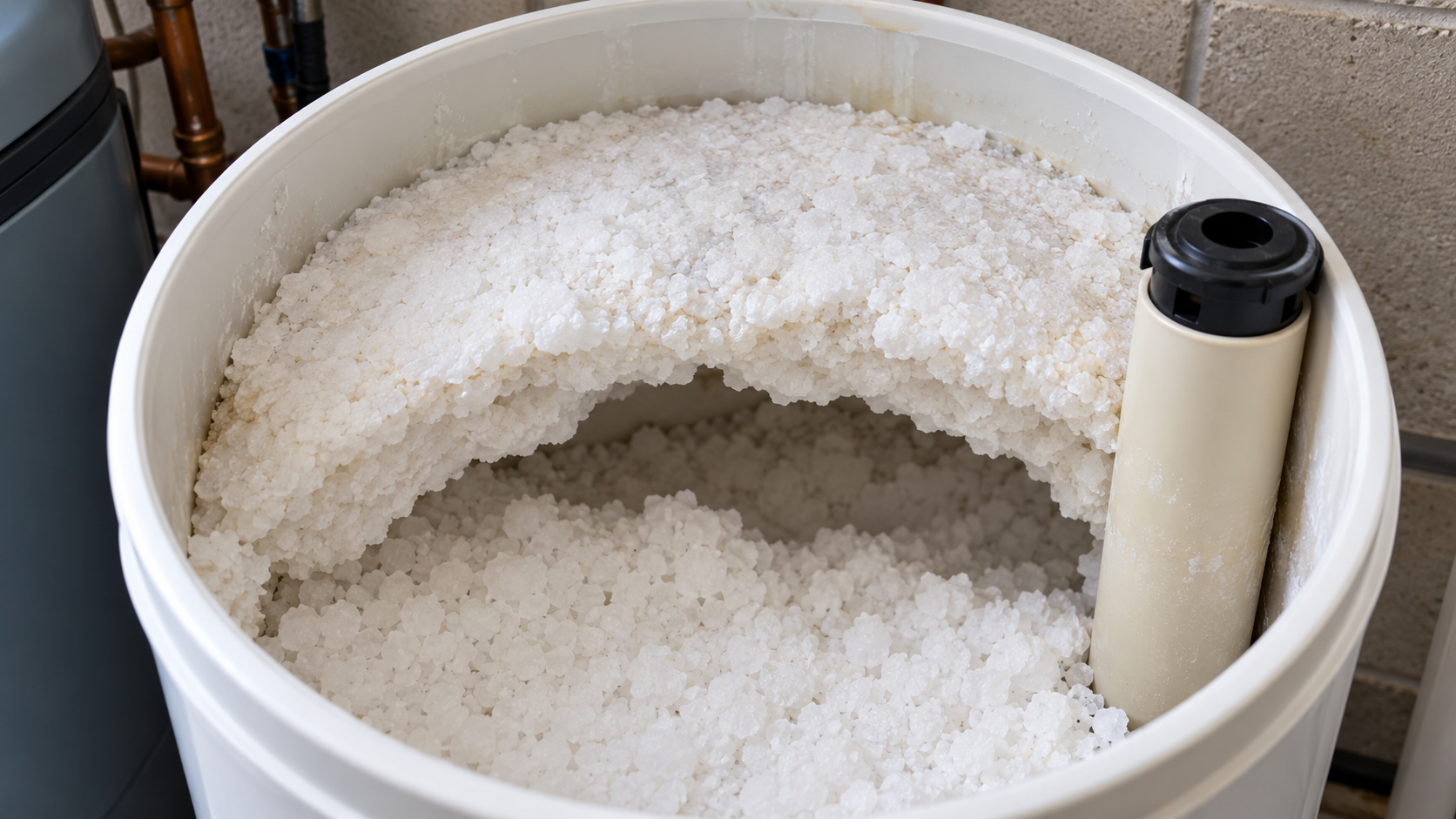
The brine tank is the part of the system where salt is stored and mixed with water to create the brine needed for regeneration.
It is important to understand that the salt is not simply being added to all of the water entering your home. Instead, it is primarily used during the regeneration process to restore the resin.
The amount of salt a system uses depends on factors such as water hardness, household water usage, equipment settings, and the type of softener.
Keeping the brine tank maintained and supplied with the appropriate salt helps support reliable operation.
Why Does the Softener Need to Regenerate?
Imagine the resin beads as having a limited number of spaces available for hardness minerals. As more calcium and magnesium attach to those spaces, the resin gradually becomes exhausted.
Regeneration essentially clears those spaces so the resin can continue working.
Modern water softeners may regenerate based on a schedule, water usage, or another programmed method. Proper settings are important because a system that regenerates too frequently can waste salt and water, while insufficient regeneration can result in hard water returning to the home.
What Happens to the Water After Softening?
After passing through the resin tank, the treated water continues through your home's plumbing.
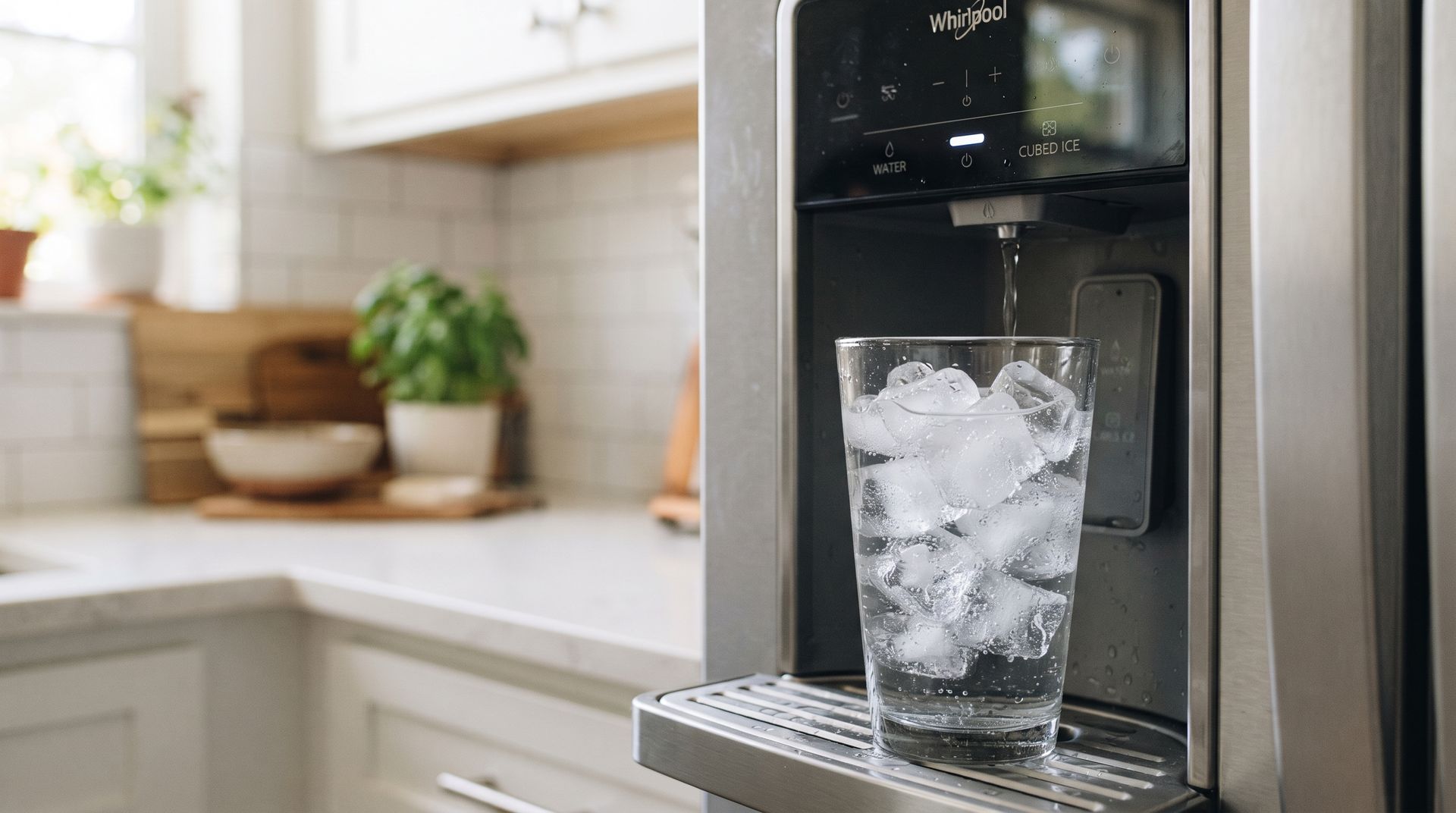
You may notice several everyday differences. Soap can rinse more easily, mineral spotting may decrease, and fixtures can require less frequent cleaning.
Water using appliances can also have less exposure to hardness minerals, which may help reduce scale buildup over time.
The exact results depend on the hardness of the water and how effectively the system is sized, installed, and maintained.
What If Your Water Still Feels Hard?
If your Brookfield home's water still seems hard after installing a softener, several things could be responsible.
The system may have an incorrect hardness setting, insufficient salt, a salt bridge, a regeneration problem, or an issue with the resin. The bypass valve may also be allowing water to travel around the softener.
Water testing can help determine whether hardness is actually passing through the system. If the problem continues, professional inspection can identify whether the issue is related to settings, maintenance, equipment condition, or another water quality concern.
Keeping Your Water Softener Working Properly
Understanding how your water softener works also makes routine maintenance easier to understand.
Check the salt level regularly, watch for hardened salt or unusual buildup in the brine tank, and make sure the system's settings match your home's water conditions.
If your equipment is older or its performance has changed, having it inspected can help identify potential problems before they become more serious.
Understanding Soft Water in Your Brookfield Home
A water softener may look like a simple tank and brine container, but the process happening inside is carefully designed to reduce hardness minerals.
For homeowners in Brookfield, WI, understanding ion exchange, resin, brine, and regeneration can make it easier to recognize what your system needs and why regular maintenance matters.
Brookfield Water Softener can help homeowners understand their hard water concerns, maintain existing softening equipment, and explore appropriate water treatment solutions. If you are dealing with mineral buildup or are unsure whether your current softener is working correctly, professional guidance can help you better understand your home's water and treatment needs.